






Read the 3 things your struggling adult child wants you to know — but won’t say. Their direct answers explain why “just stop” makes things worse — and what they actually need.
Your email is 100% confidential. Unsubscribe anytime.

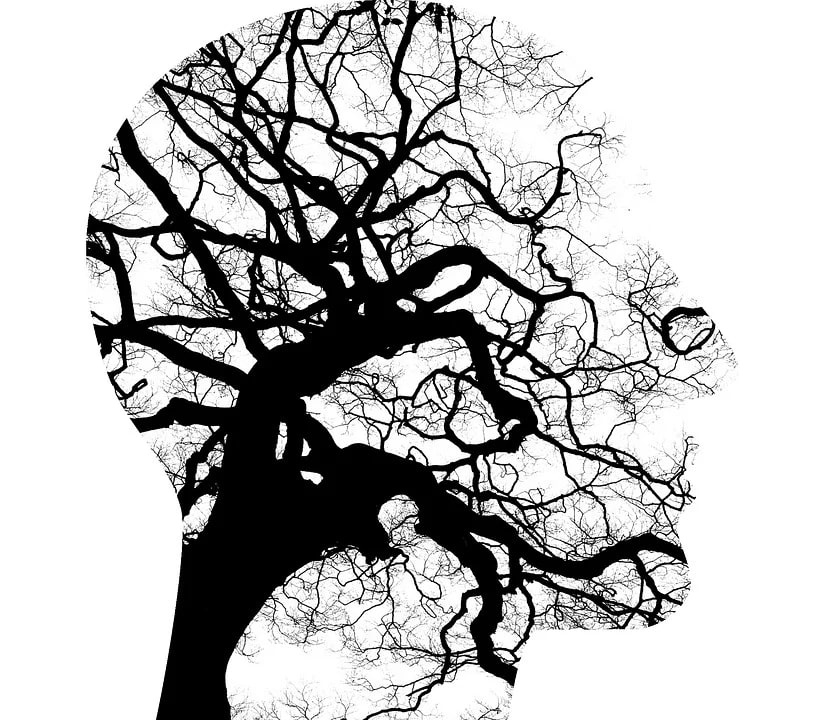
If your adult child struggles with addiction, you may already be aware of the connection1 between mental health and substance abuse: “Substance use disorders also co-occur at high prevalence with mental disorders, such as depression and bipolar disorder, attention-deficit hyperactivity disorder (ADHD), psychotic illness, borderline personality disorder, and antisocial personality disorder.”
Which do you address first — and why? Should you tackle the mental health diagnosis first? Would this resolve the issue of addiction? If we don’t tackle the mental health issue first, will your child be able to overcome substance abuse? These questions are common. When your family is faced with both challenges at the same time, it can be overwhelming to understand where to start.
Here are the signs you need to look for in your own life; the signs that it’s time to do something different when it comes to addressing your adult child’s addiction and prioritize your efforts.

Method 1: You hire a medical professional — like a psychiatrist or psychologist — to address or medicate the underlying mental health issue. You create a treatment plan that you think will address the problems and hopme that will help the substance abuse issue disappear also.Method 2: You’ve searched for a rehab program that not only deals with the addiction at hand, but also includes strategies that address co-occurring mental health conditions, and cross your fingers that it’s all your child needs to want to choose recovery.Method 3: Read and researched all of the material written by “smart people” about mental illnesses and addiction, and how they connect, with the hope that you’ll be able to one day leverage this wealth of knowledge and help your child make changes in their life.
It is very common for there to be both mental health and addiction issues co-occurring.
Accept that the addiction must be solved first, before underlying mental health issues can be treated or handled. Stop focusing on the underlying mental health issues as the “reason” for your child’s use of drugs or alcohol. They may be the reason or they may not.
The exception to this is when your child was diagnosed with a mental health issue years before any usage started, and you are 100% sure of that. In that case, please rely on the appropriate medical expert. If this is the case, you may also benefit from the family training NAMI offers.
Focus on learning the things you need to learn to love and support a child with an addiction. Loving them is very different from loving and supporting your other children, and it’s important to understand how to Love Another Way™. You’ll be there to help support your child’s mental health journey once the addiction is addressed.
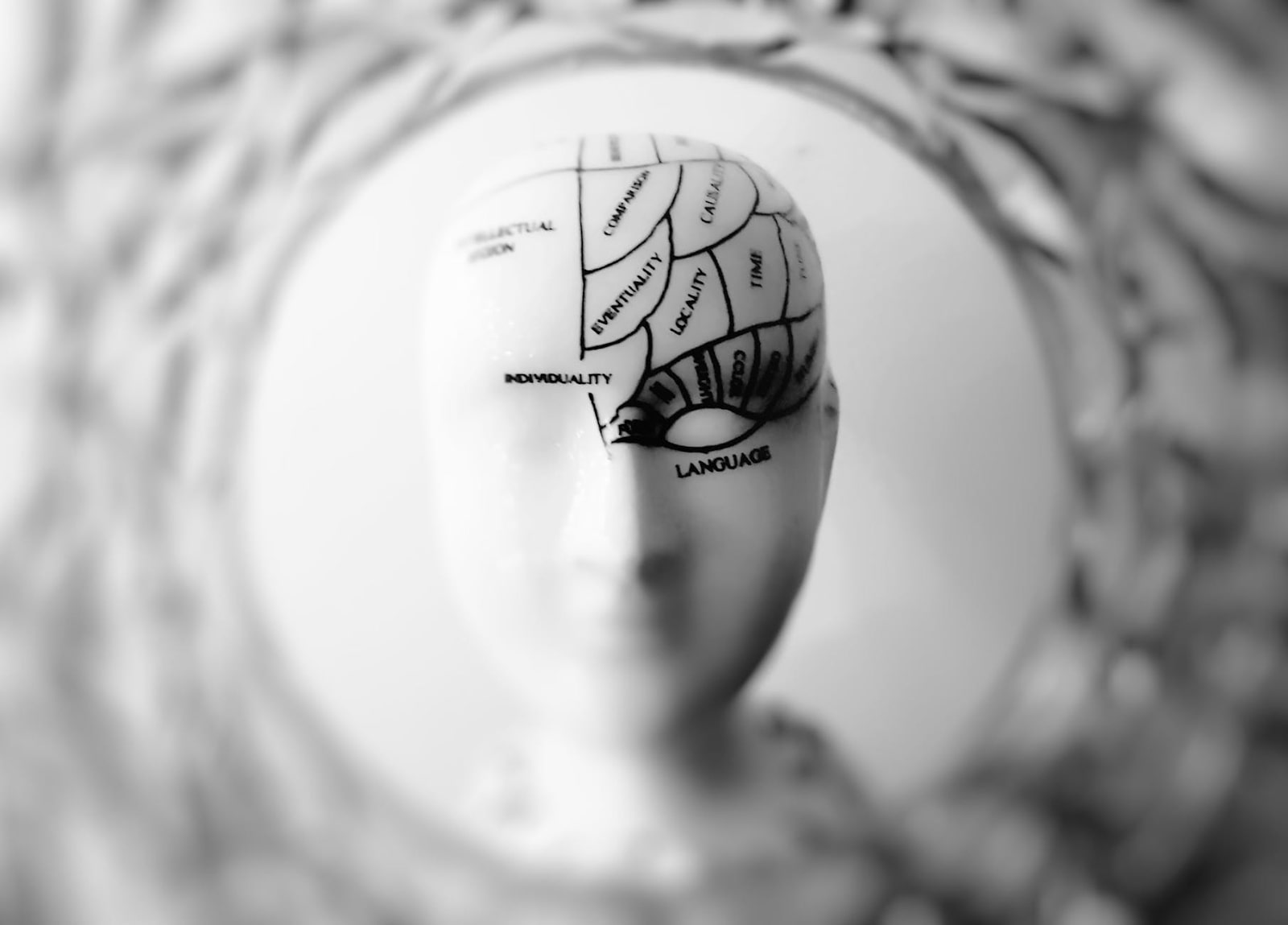
Understand that it’s impossible to know what actions of your child are due to addiction and which actions are a result of a mental illness — it could be months before they’re clean of all substances. My son Eric was diagnosed with several mental health issues, and after he completed recovery, I expected a long list of other things we needed to address. They never came up, however, and I’ve learned this is a very, very common situation.
As parents, we prefer to think that our child is primarily struggling because of their mental illness instead of addressing the addiction at the core of their difficulties in life. Remember — addiction is no more a child’s fault than mental health issues. Focus on the addiction; it must be dealt with first to then sort through mental health issues.
Most importantly, those with addiction will blame anything around them for their troubles instead of ever blaming their actual addiction. This means they’ll place blame on their mental health issues, on you as a parent, or on other family members. Of course, these are all excuses and nothing will change until we stop buying into it.
I’ve put together a couple of short snippets on the topic of addiction versus mental illness. Listen to them here. When you talk about or think about what is happening with your child, say to yourself or out loud: My child has an addiction problem. My child may also have a mental health issue or issues. The first thing to resolve is the addiction problem. Then, the mental health issues can be tackled.
My son was diagnosed with a laundry list of mental illnesses while he was in his addiction. I talk about this and how I had to navigate it in my workshop, Sign up at the button below. Hop on my workshop now.
I hope you find a pocket of joy in your day today. Reach out anytime, because I care.
Certified Family Recovery Specialist (CFRS)

Workshop · MD
Barbara's free training walks through the Cognitive Care Plan: gain crucial insights into your loved one's behaviors, learn to set boundaries without guilt, and prioritize your own self-care so you can keep showing up.


Read the 3 things your struggling adult child wants you to know — but won’t say. Their direct answers explain why “just stop” makes things worse — and what they actually need.
Your email is 100% confidential. Unsubscribe anytime.