


Family Recovery Learning Center

Codependency and Alcoholism: Can you Recognize the Signs?
Are you tired of letting others' needs come before yours? Is your loved one having trouble with alcohol use? Do you feel overwhelmed by the responsibility of their actions and their impact on your life? It's time to take control. You may be dealing with both codependency and alcoholism — two complex issues that often go hand in hand. But the good news is that this toxic cycle is treatable,...

Self-Sabotage in Addiction Recovery: Why Do People Struggle With It?
Embarking on the journey to sobriety is a significant step towards recovery. However, individuals taking on this journey may encounter a powerful obstacle that could hinder their progress and success — self-sabotage. Self-sabotage is a psychological phenomenon where an individual engages in behaviors that disrupt their goals and progress. It is a complex issue with various causes, and it often leads to negative emotions like frustration, sadness, hopelessness, and even...

What To Do When Rehab Doesn’t Work? Find Answers Now!
The journey to overcome substance abuse can be tough. Unfortunately, some treatment options often fail to bring lasting sobriety to many people. If rehab doesn't work for your loved one, it may feel like they've lost the battle. But it's important to remember that relapse is not failure; it's just one checkpoint in the long recovery journey. Everyone can get back on track on the path toward recovery, even if...

Replacing Addiction With a Healthy Obsession: Developing Positive Habits
Addiction can feel like an invisible force pulling your loved one toward a destructive cycle. But what if that pull could be redirected, not to another temptation, but to a healthy obsession? It's not a dream. It's possible, and the journey starts right here. Replacing an addiction with good habits takes commitment, hard work, and a willingness to change, but it is possible. How? Well, here you'll find the answers....

Differences Between Addiction and Obsession: Exploring the Contrast
Have you ever witnessed someone you care about being caught in a cycle of self-destructive behavior? You may be wondering whether it is obsession or addiction. They may appear similar on the surface, but being addicted vs being obsessed have many differences that set them apart. In this article, we will explore the root causes, warning signs, similarities, and distinctions between addiction and obsession. Let's start this journey! Defining Addiction...
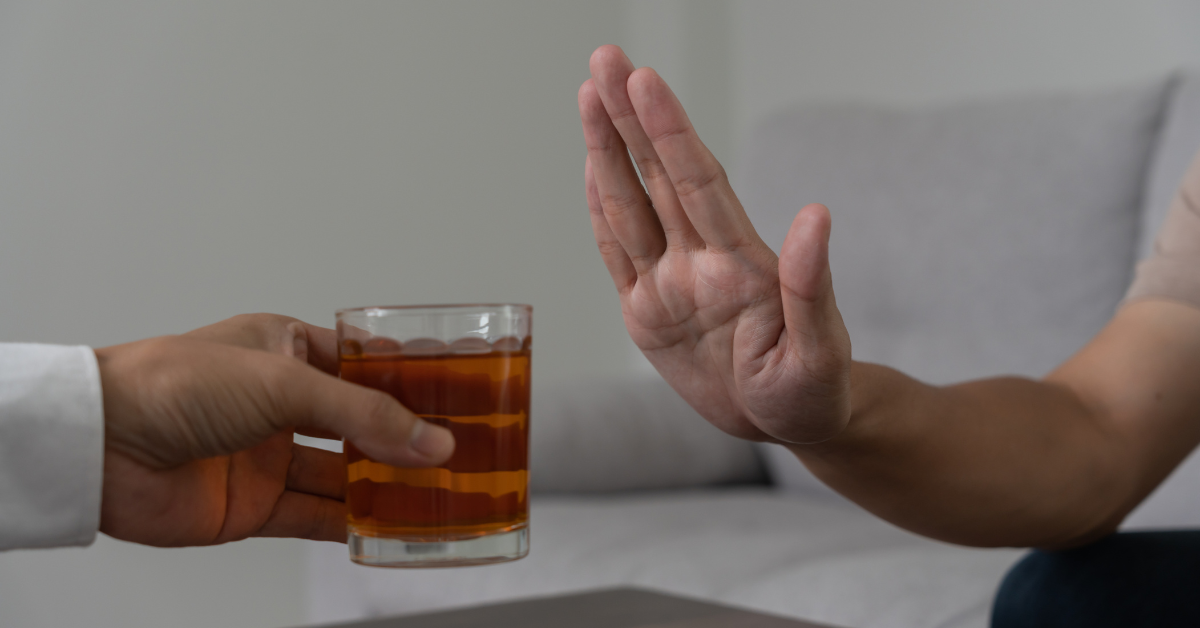
Recovery vs Sobriety: They Are More Different Than You Think!
It's normal to wonder what's the difference between two terms: recovery vs sobriety. They are different, and it's essential to understand that they are two separate concepts, each with unique qualities. While sobriety refers to abstinence and avoiding substances, recovery is the process that allows individuals to change their thinking and mindset so they can sustain positive life changes. Do you want to know more? Let's discover the differences between...

Friendships in Recovery: Why Is It Important To Make New Friends?
Friendships are essential to our lives, especially for someone in addiction recovery. Meeting new people during this time can be more complicated because it's filled with emotions, trust issues, and tension. However, good friendships in recovery have many benefits — they help people get through difficult times and maintain sobriety. If your loved one is trying to have new friends or wants to nurture their current relationships, here you'll find...
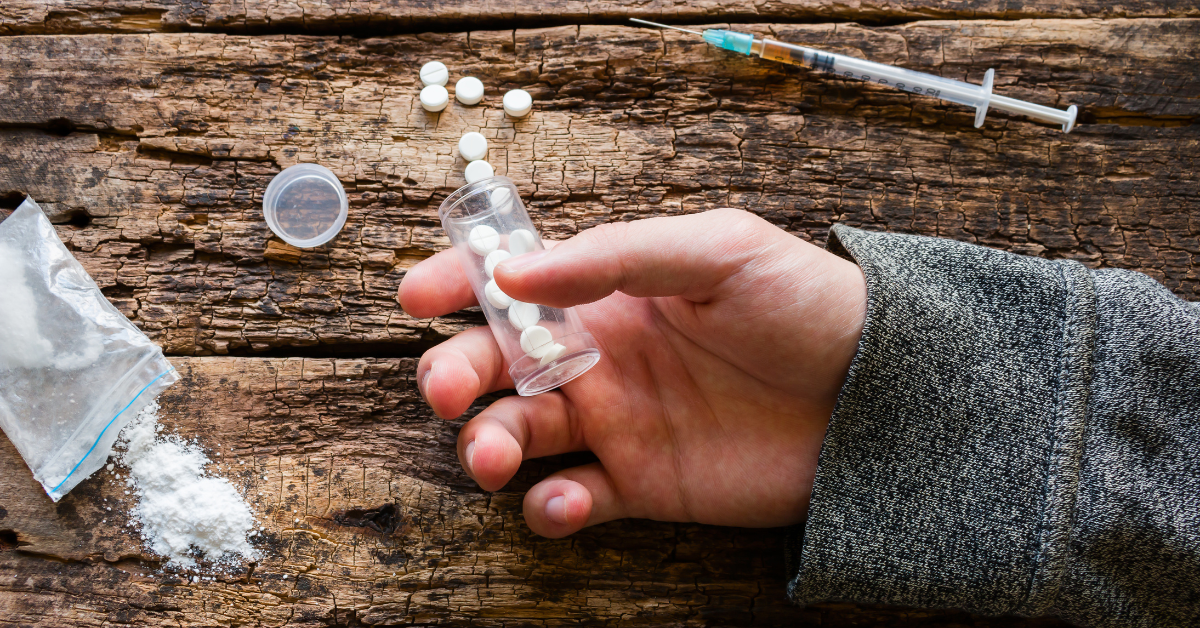
What Happens if You Relapse in IOP: Managing a Relapse in Recovery
Having a relapse is a complex and emotional experience during addiction recovery. It can happen to anyone, even those in an Intensive Outpatient Program (IOP). Today, we'll explore how to handle a relapse in IOP with empathy and understand what happens next. We'll discuss how your loved one can be honest with themselves and their treatment team, how to learn from the experience, and how to get back on track....

Breaking the Cycle of Drug Addiction: Learn How To Get Out of It
When someone struggles with addiction, it can feel like they're stuck in a never-ending cycle of destructive behavior and hopelessness. But there is a way out. By breaking free from addiction's grip, your loved one can overcome their drug or alcohol use and create a more meaningful life. Let's discover the cycle of addiction. You'll learn about its stages, how to break free, and how your loved one can develop...
Get instant access to our free guide, “5 Steps to Supporting a Loved One Through Addiction.”, designed to help you navigate challenging times and foster a healthier future for your family.
Your email is 100% confidential. Unsubscribe anytime.