


Family Recovery Learning Center
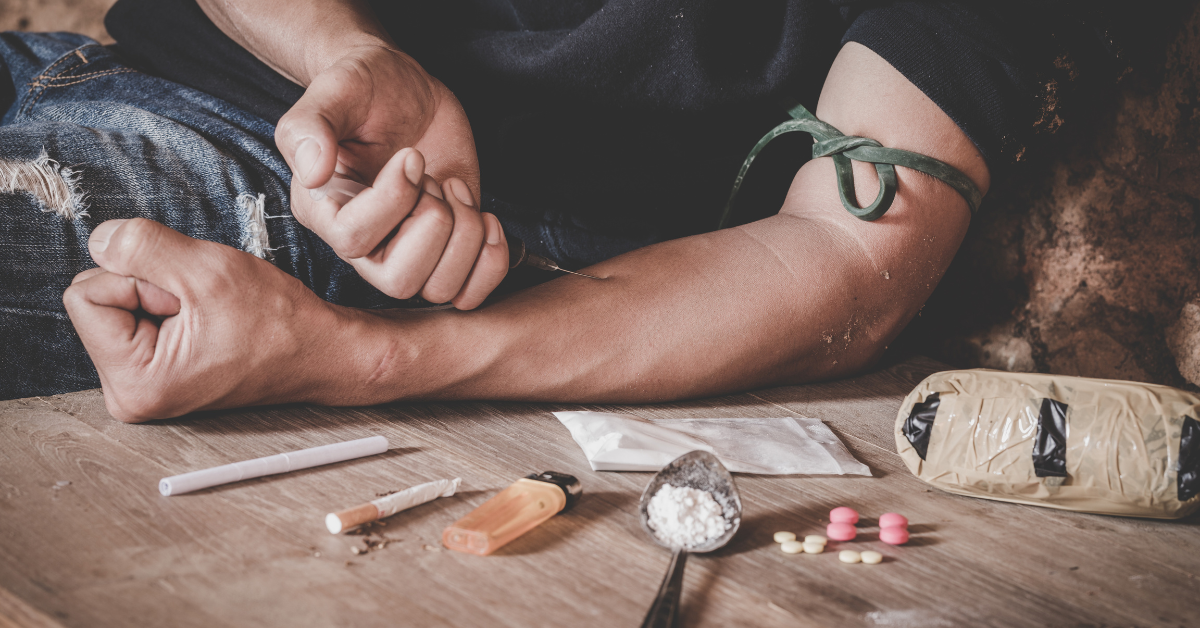
Teen Heroin Use: Understanding Heroin Abuse Among Youth
Sometimes, our children's lives can change quickly and unexpectedly, leading them down the dangerous path of addiction. It can be hard to understand why they changed from being healthy and happy to someone you no longer recognize. "How did my son get here? And how do I help him find the way back?" I had the same questions, and I've seen this heartbreaking transformation all too often, so don't feel...

Patience in Recovery: Practice Tolerance During Addiction Treatment
Let's talk about patience in addiction recovery. This is often overlooked in our fast-paced world but plays a crucial role. It's as important as the treatment because it helps the addicted person recognize the truth: Overcoming any obstacle takes time. While the desire to change and live a sober life is a crucial first step, it takes hard work to achieve sobriety. Individuals can build a healthy life with the...

Teen Cocaine Addiction: Why Do Many Teens Struggle with Cocaine Abuse?
Picture this: You stumble upon a tiny white rock buried in your teen's jeans pocket during a routine laundry run. First, there's denial. Maybe it's crushed candy? But a braver second glance reveals the truth — your loved one has cocaine. This reality isn't easy, but accepting it is an important first step. With the right tools and insights, overcoming addiction is not only possible but achievable. Let's take a...
Early Warning Signs of Relapse: Identify Your Loved One’s Symptoms
Navigating the unpredictable path of your loved one's addiction recovery can be filled with hope and fear. Each small victory is a cause for celebration, but the constant worry of relapse can be overwhelming. It's always there, lurking in the background, never quite disappearing. However, what if I told you this fear can be helpful? By learning to recognize the early warning signs of a relapse, you can help your...

4 C’s of Addiction: Help Your Loved One Control Cravings and Compulsion
Addiction is a complex and overwhelming experience that disrupts peaceful lives. And making an effort to confront it and understand its effects can be difficult. However, if we break down substance use disorder, we can better understand and find a clear path through the confusion. The four elements of Addiction — Consequence, Craving, Compulsion, and Control — are a simple but effective way to better understand the complexities of drug...

How To Help an Addict in Denial: Tips for a Successful Intervention
When addiction takes hold in the life of a loved one, denial often follows it. Dealing with this situation can be truly challenging. When someone doesn’t acknowledge their problem, their loved ones feel helpless. If you're reading this, you may be among those trying to break through this barrier of denial. It can seem like an overwhelming task, but it is not impossible. Although reaching acceptance may be challenging and...

Chaos Addiction: How to Overcome the Urge for Disorder and Turmoil
Many people find comfort in chaos, despite the seemingly contradictory idea of finding relief in disorder. This lifestyle may seem perplexing to outsiders, but peace is seen as strange and unfamiliar for those who live it. Unfortunately, this way of living can lead to self-sabotage, drug addiction or binge drinking. Regardless, it makes it difficult to maintain healthy relationships and succeed at school or work. The challenges of living in...

Crack Withdrawal Symptoms: Cocaine Detox Timeline & Treatment Options
Have you ever felt trapped in a web, struggling against each thread that seems to tighten, pull, and restrain you? This isn't a spooky horror movie or an adventurer's nightmare; it's the harsh reality of crack withdrawal symptoms that your child may be experiencing right now. Let's explore these unseen but powerful forces that turn your loved one's world upside-down and discover ways to break free from them. The first...

How To Stay Committed to Sobriety? Ways to Help Your Loved One Now
Sobriety is about saying no to unhealthy habits and yes to all the good things that make us feel strong, happy, and full of energy. But just like any promise, it can sometimes be hard to keep. So, how can your loved one stick to it even when it gets tough? It's natural to feel intimidated and overwhelmed by recovery. Rather than fearing the journey, I'll show you new ways...
Get instant access to our free guide, “5 Steps to Supporting a Loved One Through Addiction.”, designed to help you navigate challenging times and foster a healthier future for your family.
Your email is 100% confidential. Unsubscribe anytime.