


Family Recovery Learning Center

Coping Skills for Addiction Recovery: Ways To Manage Substance Abuse
"How can I help my loved one recover from addiction?" It's a question with many answers. You watch them struggle and wish you could make it all better, but it's not always that simple. However, there is good news! Our loved ones are stronger than we think, and we can help them find the right coping skills they need to overcome addiction. To learn more about these resources, you must...

Strategies for Relapse Prevention: Coping Skills to Stay Sober
Relapse is a common challenge many people face in their journey toward recovery. It's like building a tower with blocks, only to see it crash down when you're about to celebrate your progress. But don't worry; there are strategies to help your loved one prevent relapse and keep moving forward on their journey. In this exploration, we will look closely at relapse prevention techniques. This way, you can confidently guide...
Recovery Tools for Drug or Alcohol Addiction
Watching a loved one struggle with addiction can be tough — you may feel helpless and unsure how to help. But there is hope. Resources are available to help people in recovery and their families during this stressful situation. Remember that recovery is not a one-size-fits-all approach. Different people have different needs, and finding the right tools that work for them is essential. That's why we're about to embark on...

Forgiveness in Addiction Recovery: Why Is It Important To Forgive?
For many individuals in recovery, the concept of forgiveness can be daunting. However, forgiveness can be a powerful tool in the recovery process, helping individuals move past the pain and trauma of the past. Forgiveness is integral to the healing process, whether forgiving oneself, a loved one, or society. To understand forgiveness in recovery, we will explore its benefits and provide practical tips for cultivating this critical aspect. With a...
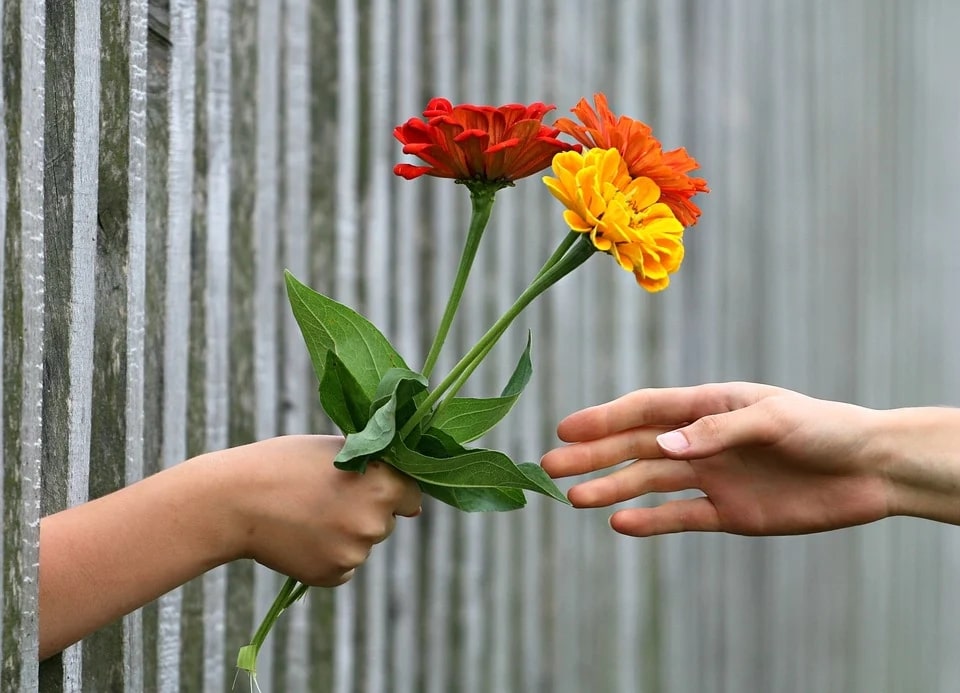
Setting Boundaries With Your Addicted Child That Strengthen (Not Damage) the Relationship
Take a minute to think about fences. Many times these fences are created for protection; they keep pets from running away, guard your home and possessions from damage or theft, or stop unwanted visitors from entering your property.
They’re clearly visible, and those who cross these boundaries do so knowing there may be consequences — but you can unlock the gate to let in those who you trust to respect your space when you’re ready.

Commitment in Recovery: Ensuring Dedication to a Sober Life
Commitment plays a vital role in recovery from addiction. Without it, individuals may struggle to stay on track and achieve long-term success. Committing to recovery requires determination, discipline, and willpower, but the rewards are immense. In this article, we'll explore the benefits of this quality in addiction treatment. Also, you'll find practical tips for cultivating this vital attribute. Remember, recovery is a journey, not a destination, and with the strength...

Self-Care in Addiction Recovery: Discover Its Importance Now
Self-care is a critical aspect for your loved one in recovery and an act of kindness towards themselves. However, it can be challenging to remember its importance when dealing with the challenges and stress that come with addiction recovery. Many individuals struggling with addiction may not properly care for themselves physically, emotionally, and spiritually. For that reason, we will explore various techniques to encourage your loved ones to care for...

How to Maintain Your Power When Your Child Is Struggling With Addiction
“Where did my life go?”
“Why do I feel so powerless?”
“What can I do to get back the relationships and life that I lost?”
It starts with the signs: Your child is using drugs or alcohol and could be addicted, and you know it. They no longer look or act like the child you raised….

Tough Love for a Son Addicted to Drugs: Does It Really Work for Addiction?
Do you remember those baby steps your little loved one once took? Sweet, shaky, hesitant steps into a world of possibilities and love. How desperately you wanted to reach and hold him, to protect him from the scrapes and falls. But you didn't. Why? Because you knew that if he was to learn to walk, he had to take those falls to gather his strength and try again. Let's think...
Get instant access to our free guide, “5 Steps to Supporting a Loved One Through Addiction.”, designed to help you navigate challenging times and foster a healthier future for your family.
Your email is 100% confidential. Unsubscribe anytime.